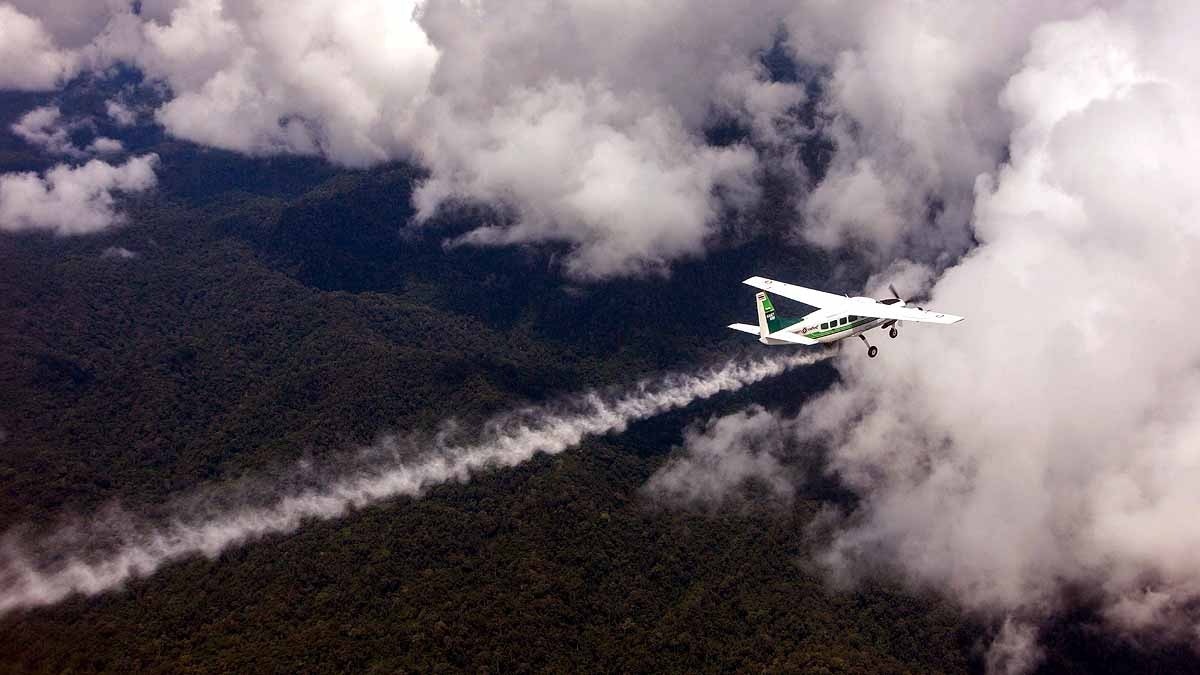
Cloud seeding is a scientific method that produces artificial rain by adding chemicals to clouds. It helps in overcoming drought, pollution or water shortage. In India, it is being used to clean the air in cities like Delhi. Complete information is given below in 10 simple points. Answer to every question…
What is cloud seeding?
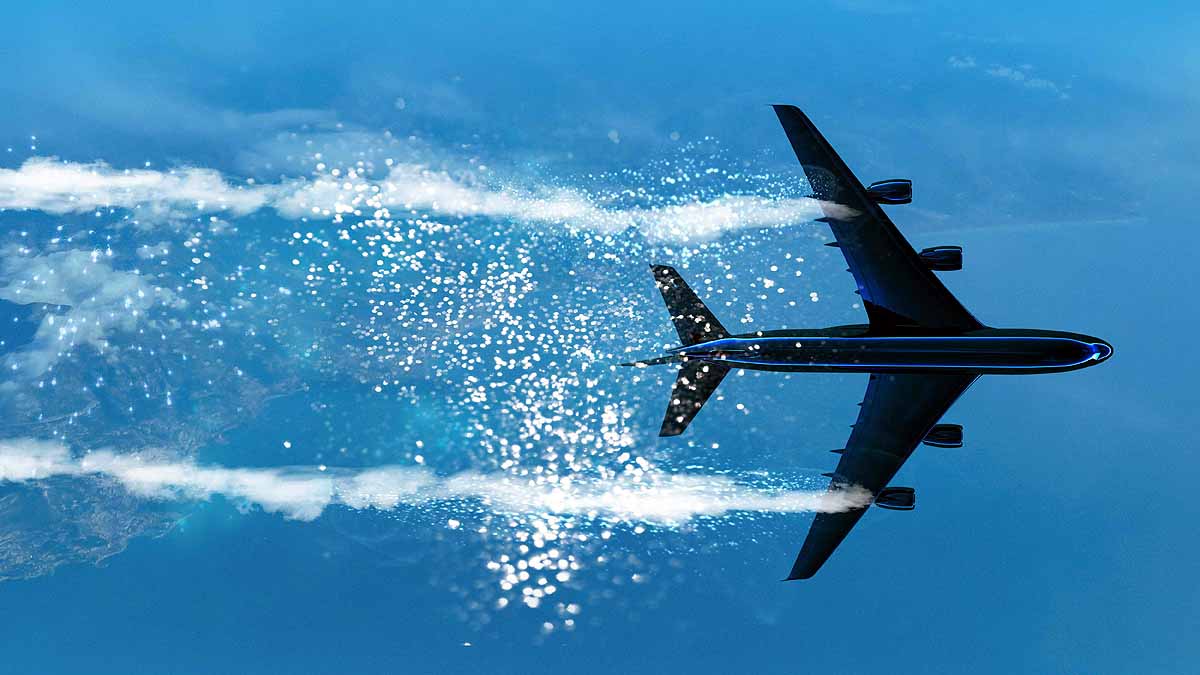
Cloud seeding is the process of ‘seeding’ clouds. In this, small particles are inserted into the clouds from airplanes or machines, which form water drops or ice cubes. Due to this the rain intensifies. This is a safe technique to change the weather.
Why is it used in India?
Drought, flood and pollution are big problems in India. Delhi In winter, respiratory diseases increase due to smog. Through cloud seeding, dust can be washed away by artificial rain. Delhi government is trying it for the first time in 2025.
How much does cloud seeding cost?
Cost depends on place, method and size. A small project may cost around Rs 12.5 lakh to Rs 41 lakh. Big projects cost Rs 8-12 crore annually. The profit is high, like in America there is a profit of 20-40 million dollars.
What is the expenditure of 2025 in India?
A total of Rs 3.21 crore has been approved for cloud seeding trials in Delhi by 2025. This is for 5 trials. The cost of each trial is Rs 55 lakh to Rs 1.5 crore. An additional Rs 66 lakh was spent on initial setup. An expenditure of Rs 1 lakh per kilometer for 5-6 days of relief for 100 square kilometer area.
What are the main technologies?
There are two main techniques: ‘static seeding’ – creating ice crystals in cold clouds and ‘hygroscopic seeding’ – creating larger droplets from salt in warm clouds. In India, chemicals are sprayed from airplanes, rockets or ground machines. In Delhi trial, the work will be done by 90 minutes flight.
How does the technology work?
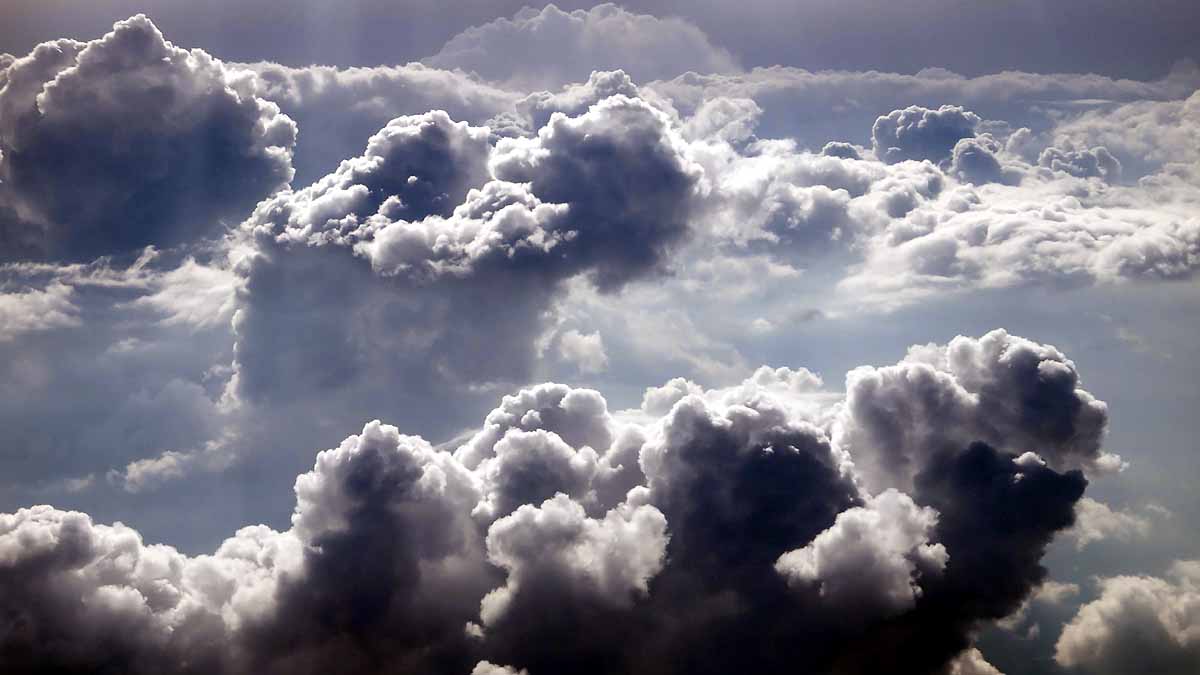
There is moisture in the clouds, but droplets are not formed. In this technique, these droplets are combined by adding particles. Ice is made for cold clouds, which melts and gives rain. In warm clouds, salt absorbs moisture and drops heavy droplets. Success can range from 10-30%.
What chemicals are used?
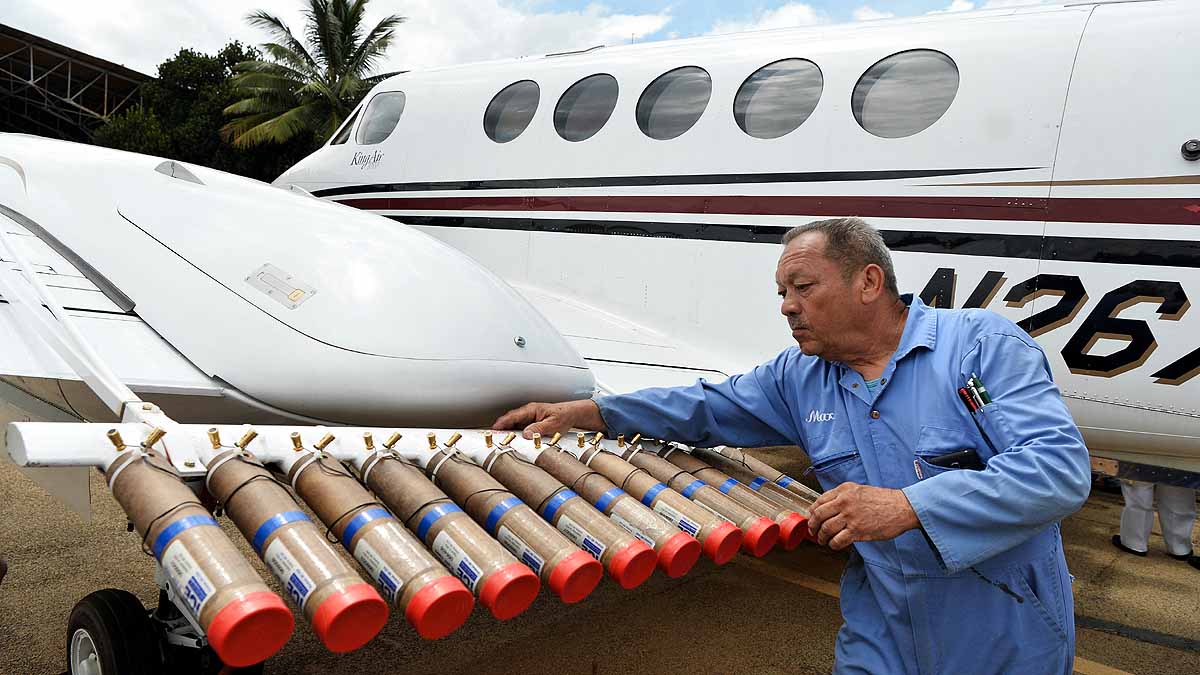
The most common chemical is silver iodide (AgI), which forms ice crystals. Others are: potassium iodide, dry ice (solid carbon dioxide) and liquid propane. These are safe for the environment, but can be toxic in large quantities. These are sprayed from airplanes.
Which chemicals and technologies in India?
In India, salt (sodium chloride), silver iodide and calcium chloride are used. Hygroscopic flare (calcium chloride and magnesium) is used in the CAIPEEX project. In Delhi, airplanes produce rain with salt or silver iodide. Rockets or drones are also being tried.
what are the advantages?
It saves crops in drought. pollution Reduces. Helps in flood control. Improves air quality in cities like Delhi. In the long run, the expenditure is less, because one trial brings profit of lakhs. Scientists say, this is a weapon to fight climate change.
What are the risks and precautions?
Chemicals can harm the environment, such as affecting fish or soil. Health Risks: Silver iodide may cause allergic reactions. Caution: Use in small quantities, keep monitoring. In India, institutions like IIT Kanpur are handling this. Success is not guaranteed, but there is hope.
—- End —-
