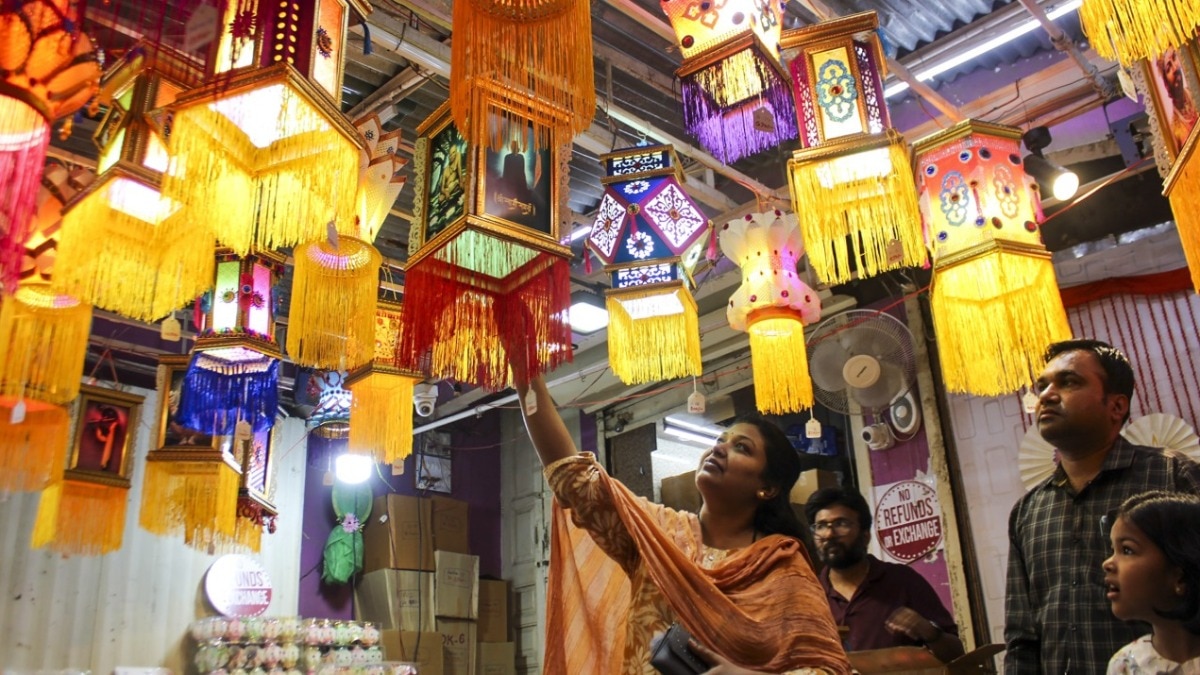
In the last few years, it has been seen that the festival of Diwali brings with it a lot of confusion. The problem is that on which day the festival should be celebrated and the second problem is regarding the holidays in the offices. There is no office holiday on the day when there is a festival and by the time the office celebrates the holiday, the festival is already over, hence, a situation of confusion is being created every year with the festival.
There is a need to understand why this problem occurs.
The first thing is that most of the fasts and festivals of Indian tradition are based on the lunar calendar, which has a unit date. Usually this date is a full day’s time, but considering it as a full day does not make it a full 24 hours.
For our daily convenience we use the Gregorian calendar which is divided into hour, day, month and year. One day of this is called date.
The mistake we make here is that we start keeping the date of lunar calendar and the date of Gregorian calendar equal. Date and date are completely different entities. Confusion starts by giving them the same treatment.
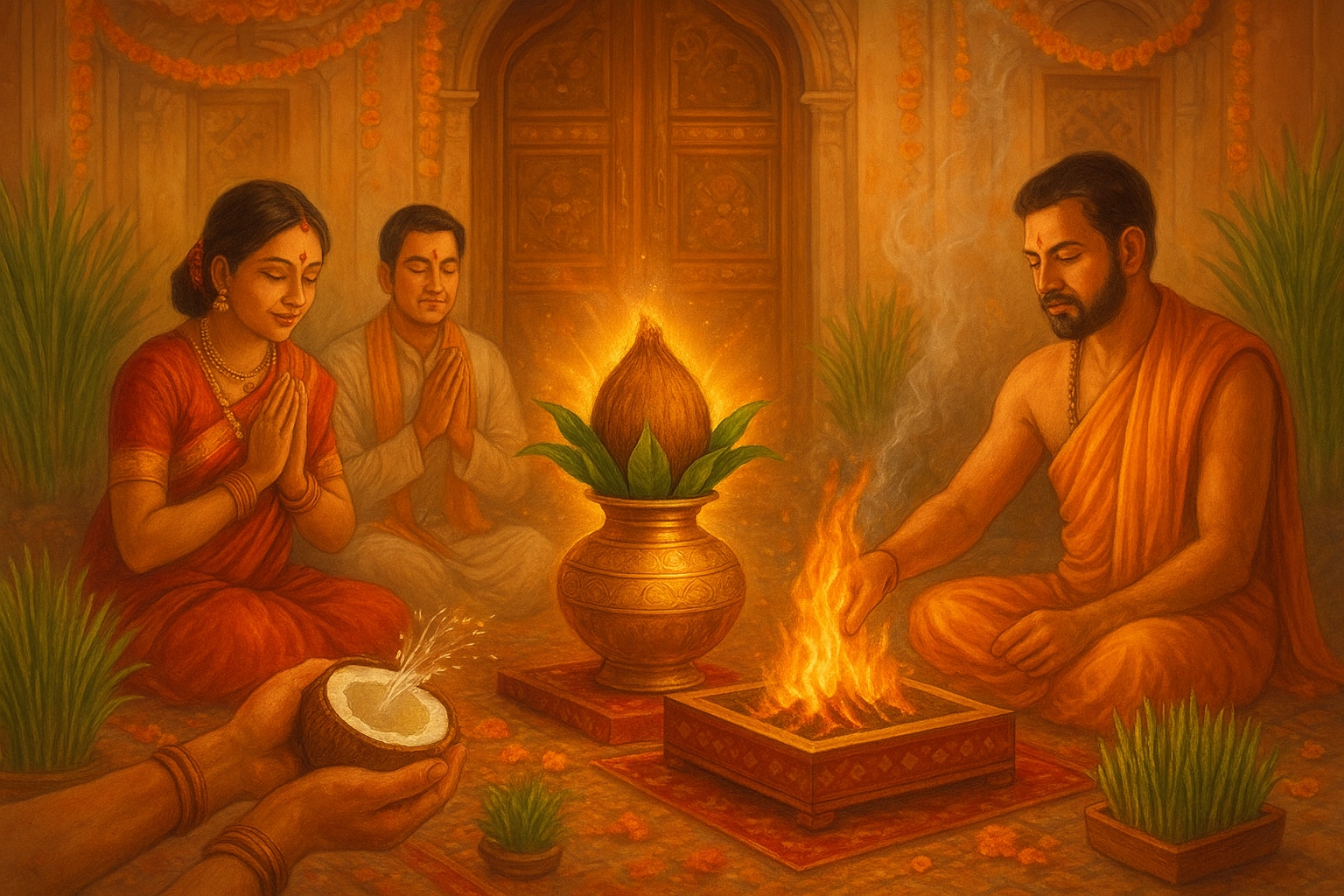
Amavasya Diwali is a festival of date, not of date.
Now let’s talk about Diwali… So the festival of Diwali is celebrated on the new moon day of Kartik month. This is a festival that lasts all night, so the first requirement is that Amavasya Nisha Vyapini i.e. should last the whole night.
This is not a festival celebrated on 20th or 21st October, hence one should not get confused about the date.
On what basis is the date of the festival decided?
There are some other aspects of Amavasya and Diwali also. The idea regarding the date of Vrat Utsav can be understood from texts like Nirman Sindhu and Vratraj Sindhu. According to Niranyan Sindhu, while determining Diwali, attention is paid to Pradosh Vyapini Amavasya (i.e. Pradosh Kaal occurring in Amavasya). If Amavasya is falling on both the days during Pradosh Kaal, then Lakshmi Puja is performed on the second day.
Amavasya is Pradosh Vyapini on 20th October. Therefore, according to the decision of Sindhu, Diwali will be celebrated on 20th October only.
On the other hand, Kashi Vidvat Parishad has also clarified the situation in view of this confusion. According to the Council, the confusion created due to the rare lunar conjunction occurring in this Amavasya has been resolved. This year Amavasya date (which Diwali ) will be from 3:44 pm on 20th October till 5:54 pm on 21st October. Most people pay attention to Udaya Tithi (date starting at sunrise) for fasting and festivals. In such a situation, according to a common understanding, 21st October was being considered as the day of Diwali worship.
Diwali is not related to Udaya Tithi
This Udaya Tithi was also the basis of the debate. Kashi Vidvat Parishad has also made it clear that Udaya Tithi has no importance in Diwali. Therefore it is baseless to consider this.
The confusion arose because Amavasya Tithi starts from 20th October and ends with the sunset on the evening of 21st October. Although there will be Amavasya on both the days, the auspicious time of Lakshmi Puja (Pradosh Kaal) is falling on 20th October only. On this day, the festival of Lord Ram’s return to Ayodhya is also celebrated, which symbolizes the victory of good over evil and light over darkness.
On behalf of Kashi Vidvat Parishad, it has been said that “After in-depth discussion with the scholars, it was concluded that the entire Pradosh Kaal is falling on 20th October, hence this is the most auspicious day for Lakshmi Puja.”
According to Drik Panchang, even though Amavasya Tithi remains till 21st October, the entire Pradosh Kaal which is considered the best time for Lakshmi Puja is on 20th October only. Therefore, religious scholars and organizations are advising to celebrate Diwali on 20th October across the country.
Twilight, Pradosh Kaal and Mahanisha Puja
For worshiping Lakshmi in Diwali, the twilight of Amavasya, Pradosh Kaal, and Amavasya of Nishith Kaal are necessary for Mahanisha Puja. This is the basis of Diwali worship. Dusk is the best time to light a lamp, Pradosh Kaal is the time for Shiva evening and Rudra Puja and Mahanisha of Nishith Kaal is the best time for Kali Puja.
Therefore Diwali is on 20th October only.
This is not the first time, this has happened before and it is going to happen like this for many years to come. Because in the last several years, the date of the lunar calendar has been affected due to the solar eclipse occurring on the occasion of Diwali. In recent years, a solar eclipse occurred in Diwali of the year 2022. Due to which Govardhan Puja was celebrated a day later.
Similarly, a similar situation had arisen in the year 1962, when Amavasya had fallen by two days. Amavasya started at 04:18 pm on 27 October 1962 and ended at 06:35 pm on 28 October 1962. Sunset happened at 05:32, but Diwali was celebrated only on 27 October 1962, because on 27 October Amavasya was in full Pradosh and midnight.
Similarly, a similar situation is going to happen next year 2026. In the year 2026, Amavasya Tithi is starting on 08th November at 11:27 AM and will end on 09th November at 12:31 PM. Therefore Diwali will be celebrated on 8th November in the year 2926.
—- End —-
