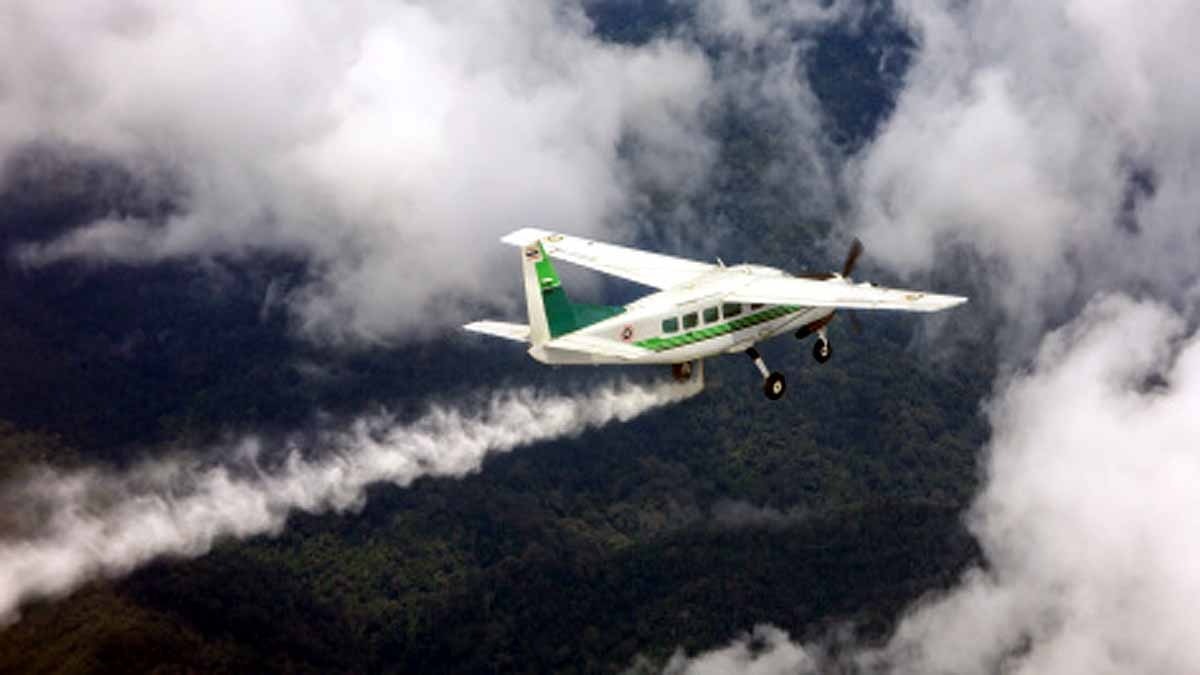
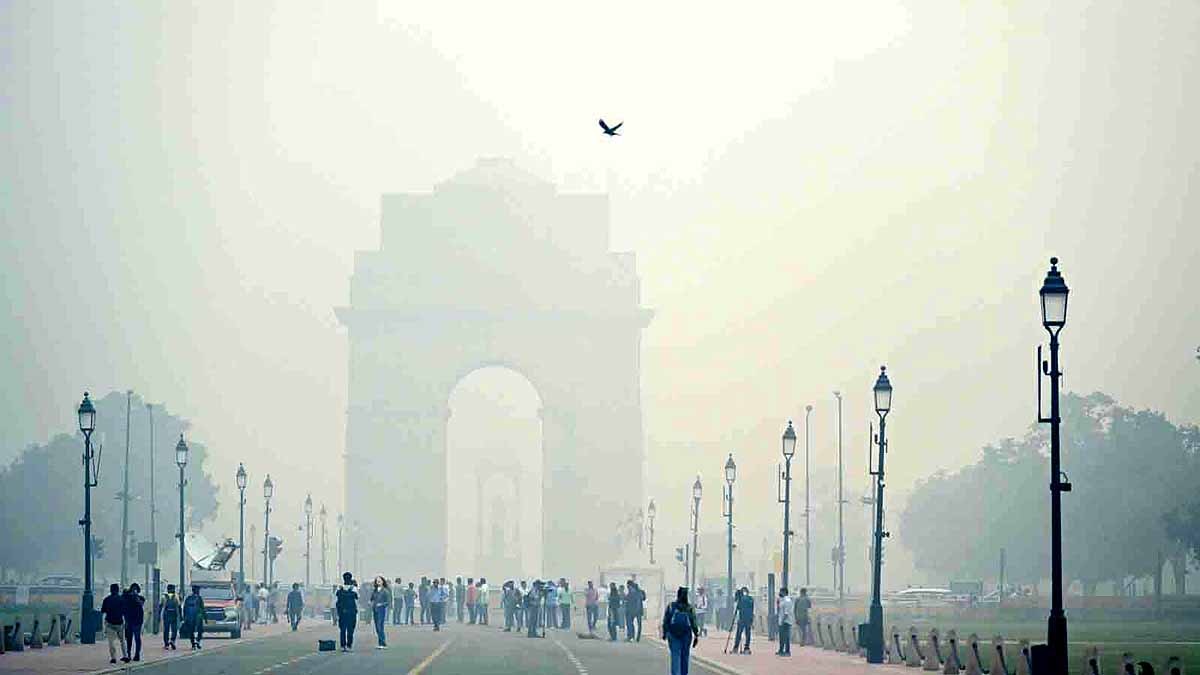
Delhi’s air becomes poisonous every year in winter. After Diwali, the smog becomes so thick that breathing becomes difficult. To deal with this problem, Delhi government is trying artificial rain. This is called cloud seeding. This technology causes rain by adding chemicals to the clouds. But this is completely different from normal rain.
What is cloud seeding? provoking clouds to rain
Cloud seeding is a scientific method, in which special chemicals are added to the existing clouds so that it rains. These chemicals help in joining water droplets or ice particles. The main chemicals are silver iodide, dry ice (cold carbon dioxide) or salt (such as iodized salt).
Also read: Delhiites should be prepared, artificial rain may occur any time in the next three days
This method has been in use since the 1940s. Countries like America, China and UAE are facing water shortage or pollution Let’s do less. This is to clean the air in Delhi. The name of the project is ‘Technology Demonstration and Evaluation of Cloud Seeding for Delhi NCR Pollution Mitigation. Its cost is ₹3.21 crore.
How different is artificial rain from normal rain?
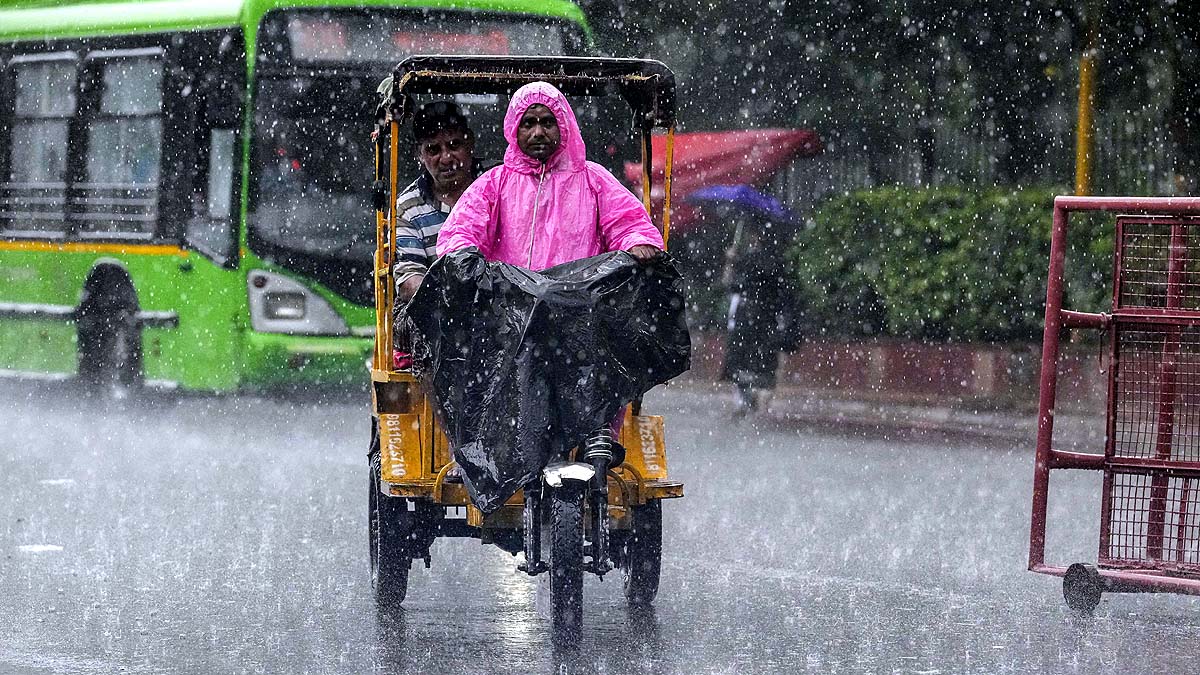
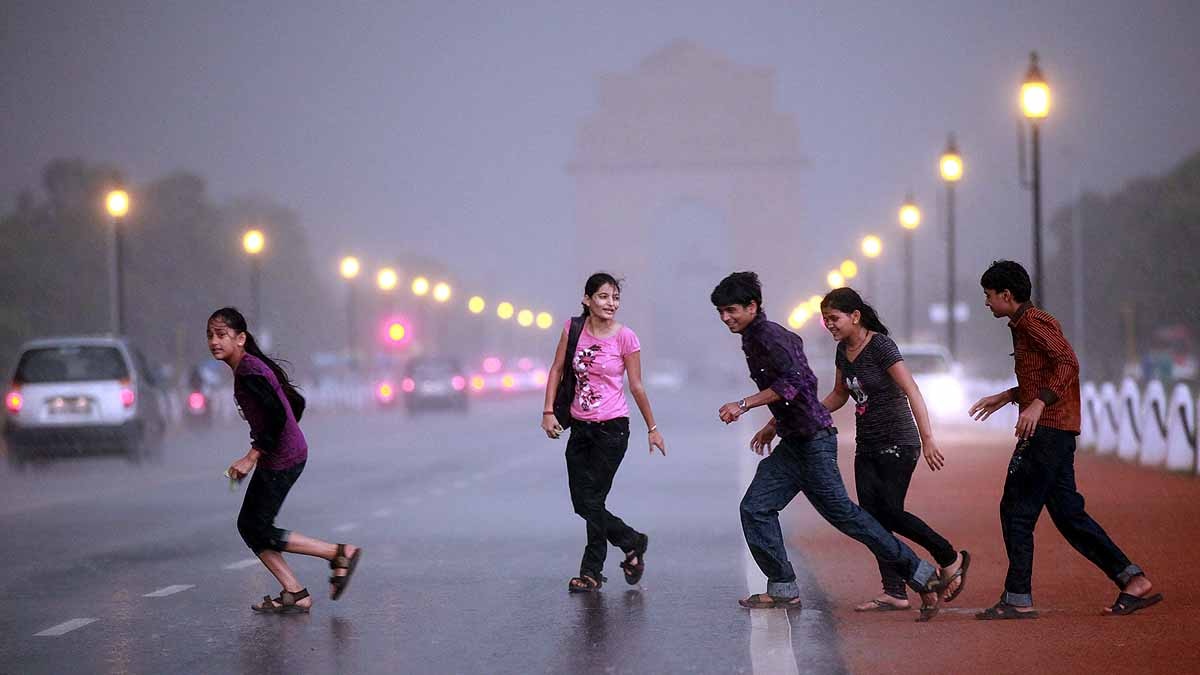
Normal rain is a wonder of nature. Clouds form, the air cools, moisture accumulates and forms droplets and it rains. This process goes on without any help. But humans interfere in cloud seeding. The main differences are…
- Cloud needs: Clouds can form on their own during normal rain. But in cloud seeding, there should already be moist clouds. It doesn’t work without clouds. The trial has stopped due to absence of clouds in Delhi currently (October 2025).
- Amount of rain: Normal rainfall may be more or less. Cloud seeding increases rainfall by only 5-15%. Estimated 10-15% increase in Delhi trials. In some pilot trials in India, the increase was only 3%.
- Time and place: Normal rain can last for hours or days. Artificial rain is small – one flight in Delhi lasts 90 minutes, covering 100 square kilometers. It is targeted, for example, on the polluted areas of North-West Delhi.
- Objective: Normal rain provides water. Artificial rain to clean pollution – PM2.5 level in Delhi was 175 micrograms per cubic meter in winter 2024-25, which gives a life expectancy of 11.9 years less than the WHO standard.
Cloud seeding provokes rain by ‘shocking the cloud’, while normal rainfall is a ‘dance of nature’.
How does this technology work in Delhi? data and method
The Delhi project was made by IIT Kanpur, IMD and IITM Pune. 5 modified Cessna aircraft will be used. Chemicals are sprayed in every flight.
- Method: Planes fly in the clouds. Release chemicals. These particles connect water droplets, which become heavy and rain. Monsoon clouds are more moist, hence more success.
- Trial Schedule: It was to start from July 4-11, 2025, but was postponed to August 30-September 10 due to bad weather. Each trial lasts 20-90 minutes. A successful trial can clean the air by 20-30%. But this is temporary.
- Statistics: 39 countries in the world have done it. China spent $2 billion in 2014-2021. Saudi Arabia $256 million in 2022. Earlier trials were conducted in drought affected areas in India, but Delhi is conducting trials for the first time.
Cases of Delhi and the world
- Example of Delhi (2025): Test on monsoon clouds in July trial. One flight caused light rain in 100 square km, which washed away the pollutants. But trials are pending in winter, where pollution is more.
- Example of China: Cloud seeding reduced pollution by 40% before the Beijing Olympics (2008). Used to clean air even in 2025.
- Example of UAE: $22.5 million grant since 2016. Rainfall in the desert increased by 15%, but there is danger of occasional floods.
These examples show that success is dependent on the weather.
What if something goes wrong?
Cloud seeding is considered safe, but it can cause harm if done wrong. Main risks…
health risk: Silver iodide is less toxic, but excessive exposure can cause respiratory or skin irritation. Danger to asthma patients. Rain water can be contaminated with chemicals, which can cause stomach problems if consumed. Studies say safe at normal levels, but harm possible at large scales.
Environmental Risk: Chemicals can accumulate in soil and water. Unwanted rain or drought in low lying areas. The impact of climate change may be reduced.
Other risks: If there are no clouds then money is wasted. 10 states in America have banned it because people think it is ‘changing the weather’. Cost is high – Delhi’s ₹3 crore just for trial.
Also read: The only country which has three air forces… no other air force in the world is in competition
precautions
- Do not go out during operation, wear a mask.
- Filter rain water or do not drink it.
- Health check: Lung test, allergy test.
- Government should monitor – water quality test.
The US GAO report (2025) says the risks are low but long-term studies are necessary. Cloud seeding is the new hope for Delhi’s pollution problem. These are smaller but targeted than normal rains, which can bring 5-15% more water. But useless without clouds.
—- End —-
