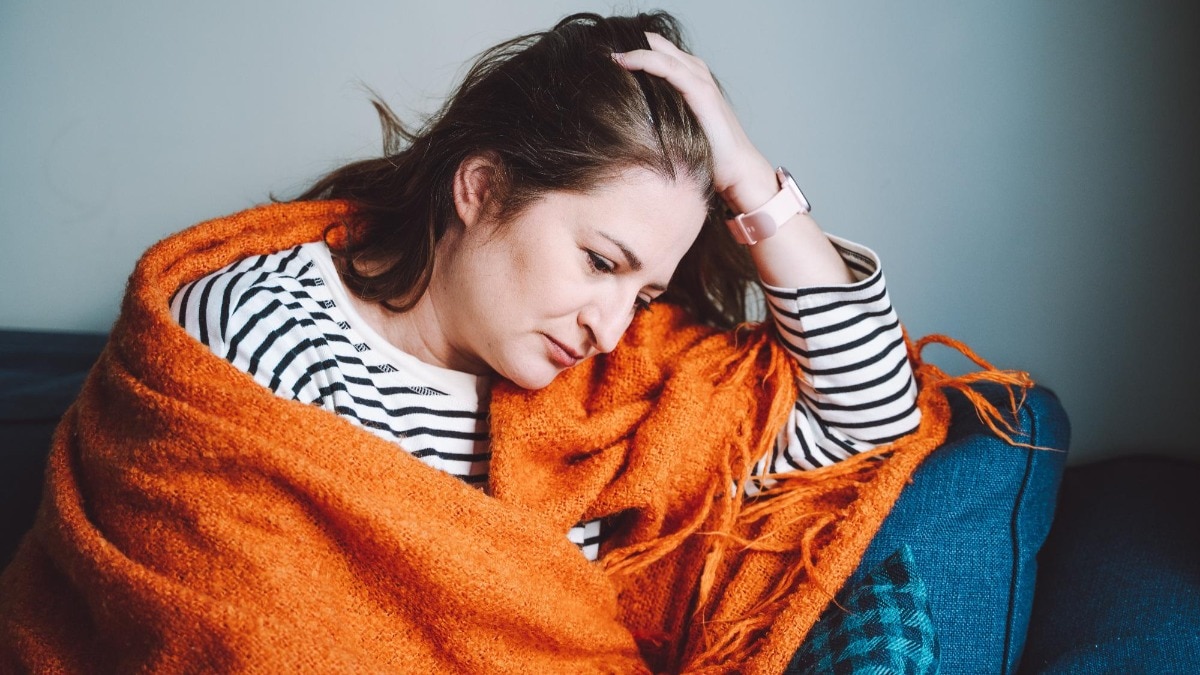
Now many women in India are reaching perimenopause in their late 30s or early 40s. This is the time before menopause when hormonal fluctuations begin quickly in the body. According to doctors, earlier this condition used to occur at the age of 45-50, but now it has come down to 35-40.
The reasons for this are increasing stress, lack of sleep, sedentary lifestyle, lack of nutritious diet, smoking and not getting treatment for hormonal diseases like PCOS. Additionally, increasing environmental toxins and obesity are also increasing the trend of premature menopause. Before the World Menopause, Dr. Shweta Mendiratta, Gynecologist and Obstetrician of Marengo Asia Hospital, Faridabad, created awareness about perimenopause.
Early menopause, less awareness
Dr. Shweta told that about 15 crore women in India are above 45 years of age, most of whom are either moving towards menopause or have gone through it. On average, the age of menopause in Indian women is 46-47 years, which is a few years earlier than women in Western countries. Despite this, awareness is very low. Most women do not go to the doctor until the symptoms start seriously affecting their quality of life.
Symptoms are more intense than before and…
He told that hot flashes (sudden feeling of heat), irregular periods, mood swings, vaginal dryness, sleep disturbances and weight gain etc. are common symptoms. But now these symptoms have become longer and more intense than before. These affect both routine work and mental health. Today’s women are handling both family and professional responsibilities, which increases stress and hormonal imbalance.
Risk of many diseases increases after menopause
Dr. Shweta warned that after menopause, the risk of osteoporosis, heart disease, thyroid imbalance and depression increases. Due to decreasing level of estrogen in the body, not only the reproductive system but also the bones, metabolism and cardiovascular system are affected. She said that menopause is not only a physical but also an emotional change. Women often ignore it considering it to be an effect of age and do not consult a doctor, due to which the problems increase later.
Risk of bone loss and depression may increase
Dr. Shweta further explains that if the symptoms related to menopause are ignored for a long time, then weakening of bones, risk of fracture, heart disease, constant fatigue and sexual problems can occur. Health Problems may increase. Lack of sleep and anxiety also increases the risk of cognitive decline i.e. loss of memory.
Dr. Shweta suggests that women pay attention to their hormonal changes only after the age of 35. If you notice changes in periods, energy level or mood, then thyroid, Vitamin D And definitely get tests like lipid profile done.
The word ‘menopause’ is still taboo
Menopause is still not discussed openly in India. Many women consider this as ‘the end of womanhood’, due to which an atmosphere of silence and shame is created. Dr. Shweta says that awareness about perimenopause is very low. Just as people have started talking openly about periods or pregnancy, similarly there should be open discussion on menopause too.
Menopause is not a disease, it is a natural process
She said that there are many myths about menopause as if it is a disease. It is also a myth that hormone replacement therapy (HRT) is unsafe for everyone, or that weight gain and mood swings are inevitable with menopause. Actually, menopause is a natural phase of life. “With proper guidance, lifestyle changes, essential supplements, and in some cases, short-term HRT, symptoms can be managed safely and effectively.”
These are the methods of prevention
Dr. Shweta says that the holistic approach is the best to handle menopause easily. A balanced diet, regular exercise, yoga and mindfulness practice help a lot. The second step is to eat foods rich in calcium, vitamin D, omega-3 and phytoestrogens (like soy).
Women who exercise regularly, eat fiber-rich food and get 7 to 8 hours of sleep experience less symptoms of menopause and remain healthy for a longer period. Therefore, this phase of lifestyle should also be kept in mind.
Clear misconceptions about HRT
Dr. Shweta Mendiratta said that if HRT is given under the supervision of a doctor, it is absolutely safe and effective. It is especially helpful for women who suffer from excessive hot flashes, sleep problems or weak bones. Not every woman needs it, but for those who do, it can bring a big improvement in the quality of life.
—- End —-
