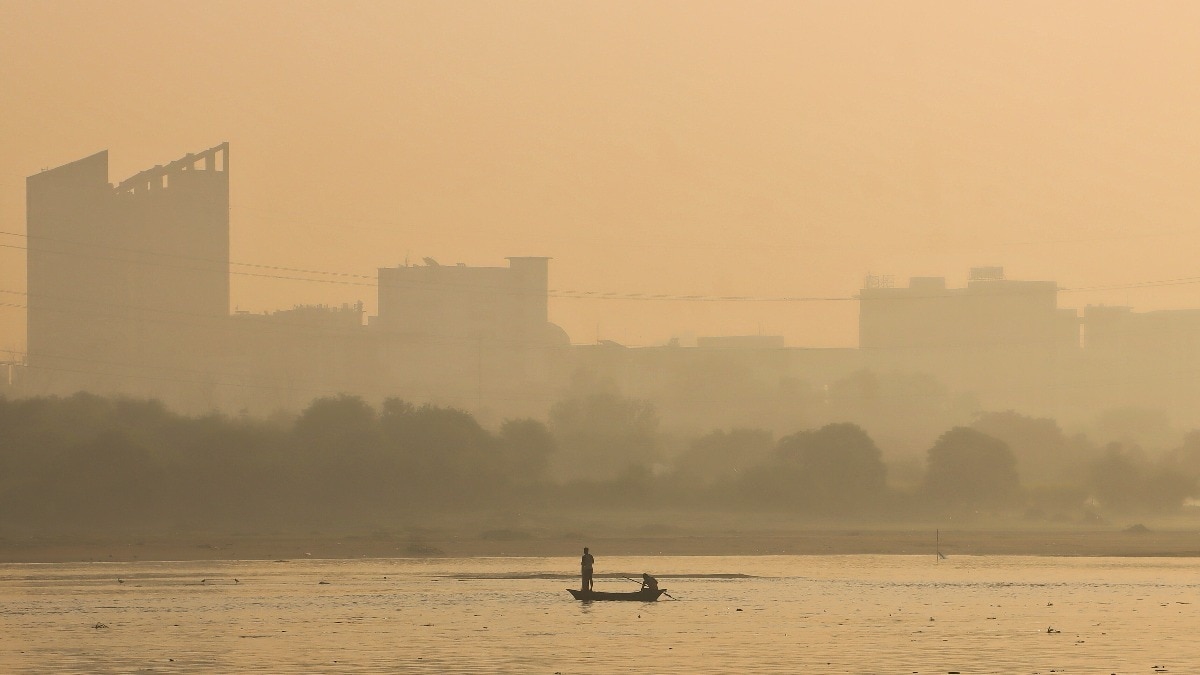
After Diwali, the purity of air has deteriorated across the country. The air has deteriorated from the national capital Delhi to the financial capital Mumbai. Delhi’s AQI continues to remain in the ‘very poor’ category. According to the latest data, Delhi’s AQI has been recorded at 354. Delhi’s AQI had crossed 500 on Tuesday morning. 32 out of 35 AQI meters in Delhi have crossed the 300 mark. After Diwali, Bawana remained the most polluted area with AQI of 427. The air quality of Kolkata and Howrah also deteriorated rapidly on the night of Kali Puja.
According to CPCB data, 32 out of 35 AQI meters in Delhi have crossed the 300 mark. Bawana was the most polluted area of Delhi with 427. Jahangirpuri (407), Wazirpur (408), Bawana (427), and Burari (402) have fallen into the ‘severe’ category (above 401). AQI was 360 in Anand Vihar. An AQI between 301 and 400 is considered ‘very bad’.
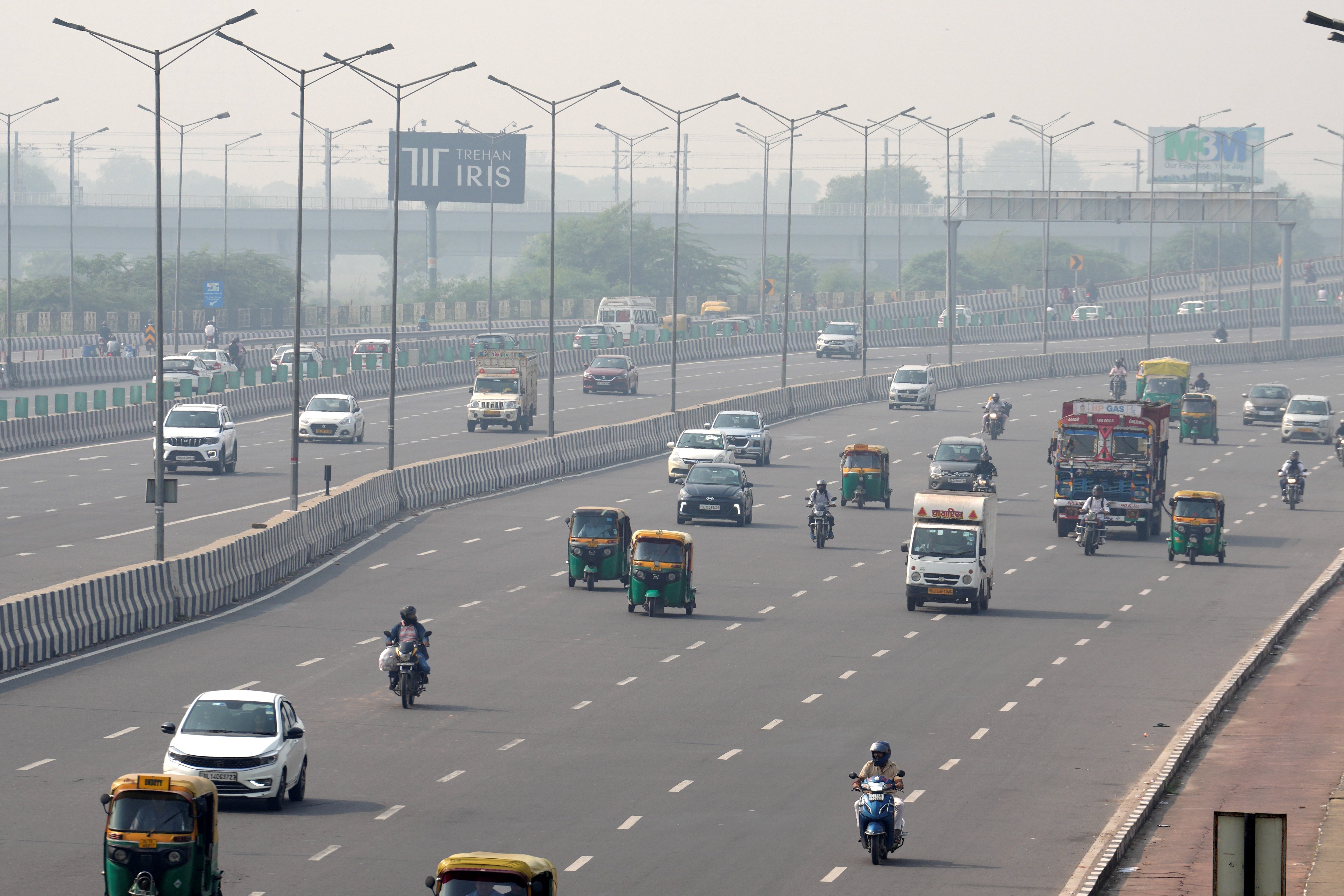
Environment experts said that the air quality of Kolkata and Howrah deteriorated rapidly due to bursting of firecrackers even after the prescribed hours on the night of Kali Puja. A WBPCB official said that the AQI reached 364 at Belur in Howrah at 10 pm, while it reached 186 at Victoria Memorial in Kolkata at PM 2.5.
Violation of Supreme Court instructions
The Supreme Court observed on Monday Diwali But in Delhi-NCR, permission was given to use green firecrackers between 8 pm and 10 pm. However, many people violated the court’s instructions and the celebrations continued till late night.
Poison in the air of Bengal too…
In Howrah district, AQI was recorded at 361 in Padmapukur, while it crossed the mark of 252 in Ghusuri. AQI was 173 in Ballygunge, Kolkata, and 169 in Jadavpur. AQI had reached 167 in Rabindra Bharati University (Sinthi) area. According to the agency, environmentalist Somendra Mohan Ghosh talked about the use of loud firecrackers in the northern and southern parts of Kolkata and Howrah.
Bad conditions in other areas of the country too…
Apart from Delhi, air quality in many other major Indian cities remained in less hazardous category. Mumbai (214), Patna (224), Jaipur (231) and Lucknow (222) was kept in the ‘poor’ category, while the AQI of Bengaluru (94) was ‘satisfactory’ and Hyderabad (107), Chennai (153) were in the ‘moderate’ category.
after diwali pollution Anticipating the possibility of an increase in CO, despite only ‘green fireworks’ being allowed, the Commission for Air Quality Management (CAQM) had already implemented Phase 2 of the Graded Response Action Plan (GRAP) in the National Capital Region (NCR).
—- End —-
