A number of indie builders have needed to postpone their recreation launches as a result of delays in Steam’s recreation submission and approval course of.
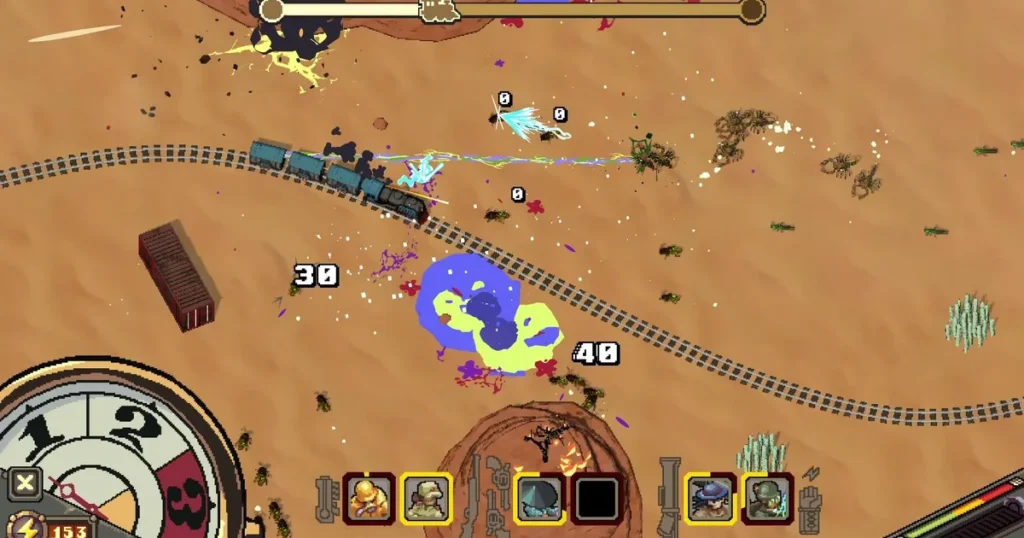
Developer Rami Ismail informed Eurogamer that the most recent construct of Australia Did It: End-of-the-World Railway Defense Business, co-developed with Aesthetican Labs, has been in Steam’s approval queue since October 20, 2026.
“[It] failed over a minor controller enter on November 5 (which we resolved the identical day), and we have been ready once more since with no significant response from Valve regardless of follow-ups.”
“I am used to hold-and-wait patterns on console, however Steam has traditionally been rather more snappy – 10 to 14 days pre-launch was normally sufficient to fail twice and ship on time,” added Ismail.
Eurogamer additionally cited different indie builders experiencing delays, together with TwoMenGames, Monoii Studio, and Studio Daimon.
Final week, Valve acknowledged a “significant increase in submissions for retailer web page and construct evaluation in current months” and said it has been working over “the final a number of weeks to scale our course of to match it.”
“We purpose to check each recreation construct in a well timed method, usually inside three to 5 enterprise days,” it stated. “Nevertheless, we’re operating a bit of behind proper now, and it is taking as much as 12 enterprise days. A lot of that delay is because of having to re-review video games.”
Final month, concerns were raised about an increase in ‘AI slop’ on Steam, particularly that generative AI is getting used to clone video games, particularly indie titles.
Valve didn’t attribute the slowdown to the inflow of generative AI-developed video games, however Ismail expressed concern that Valve’s lack of acknowledgement might hurt builders over time.
“I’m involved that Valve making an attempt to keep away from taking a political place on AI is forcing them into selections that may inevitably be worse for builders,” he stated.
“If sloppers can submit a number of recreation clones a day by automated techniques, the one method for Valve to stem the tide of video games damaging real builders’ work is to place constraints on recreation distribution, enhance charges, or make the method extra sophisticated.”
“Within the ‘open market’ Valve appears to so adore, they are going to be those carrying the prices for moderation, so I do not assume they’re going to just like the open market on this – however there isn’t any end result of this that permits Valve neutrality on AI and never do issues that may finally make life worse for builders.”
Earlier this yr, Valve amended its AI disclosure policy on Steam, requiring builders to reveal use of the know-how solely in particular instances, corresponding to content material era.
The corporate has additionally allowed “the vast majority of games” using AI on its platform since 2024.