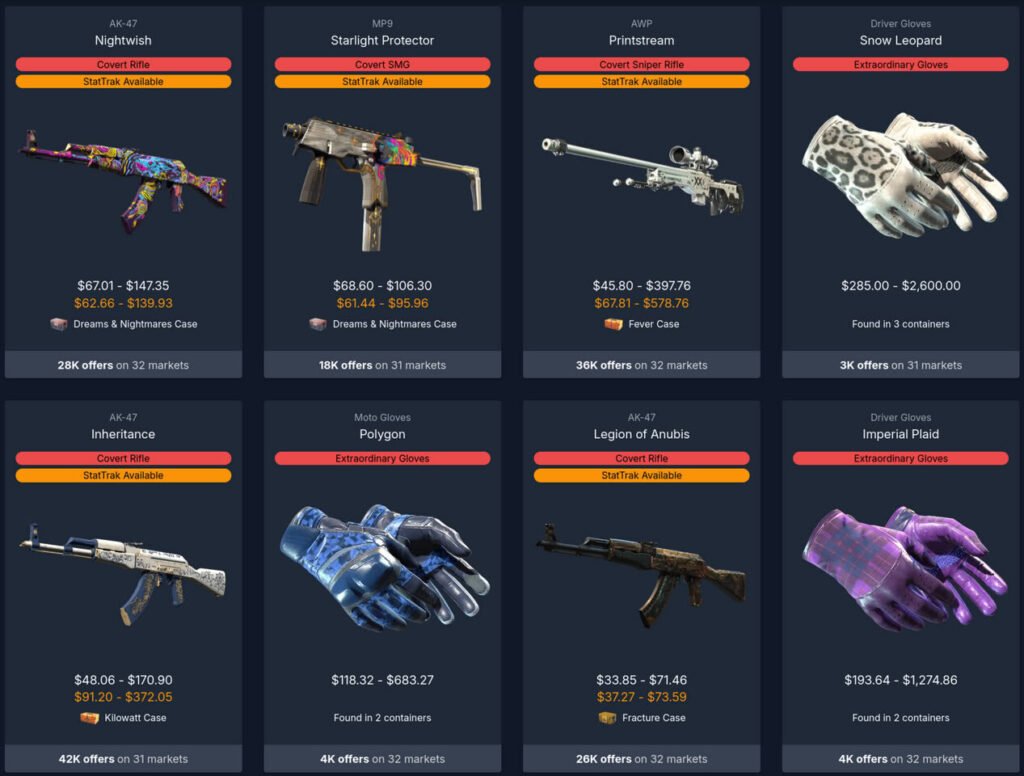
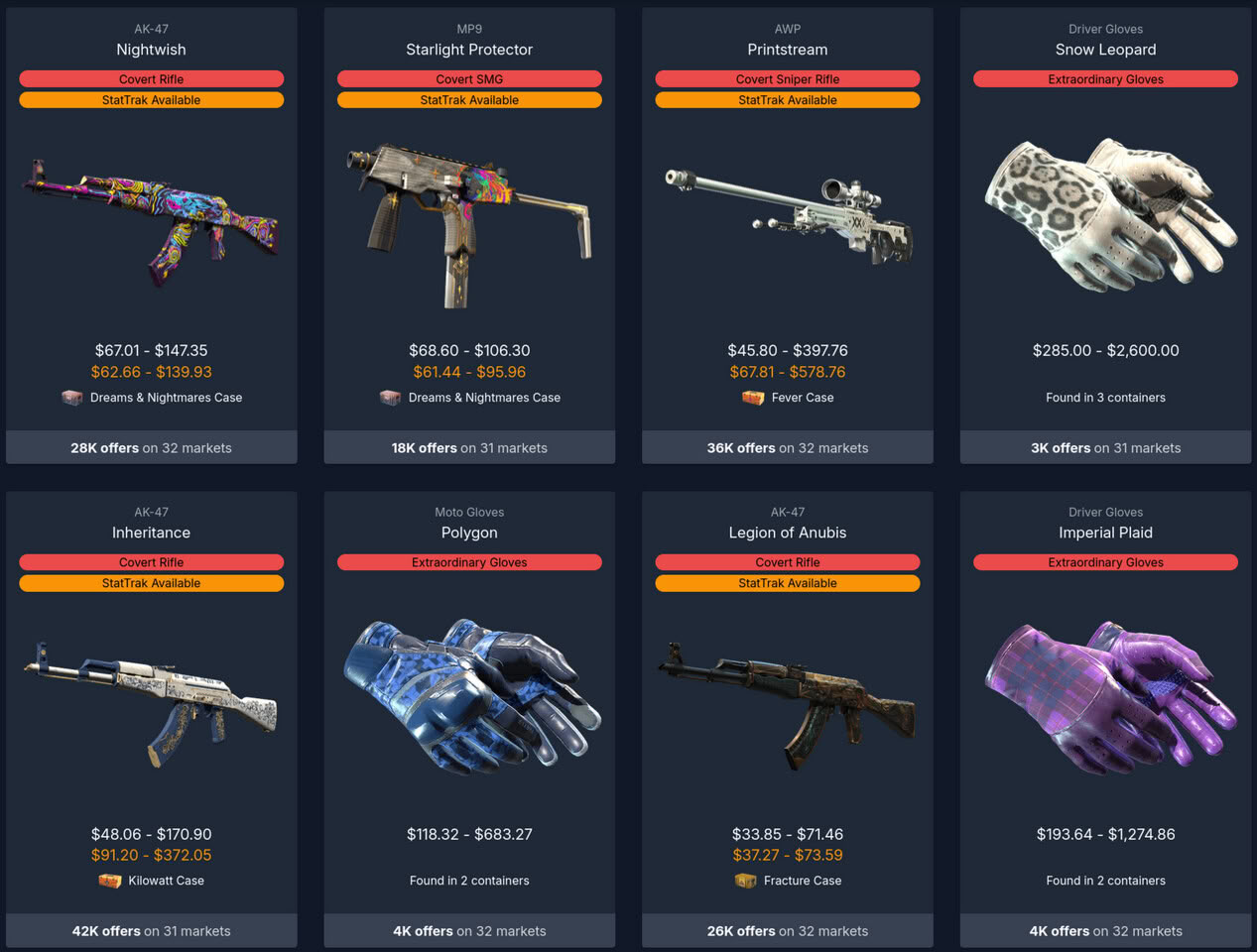
What will likely be most pertinent to avid gamers and gaming firms is that gaming firms will likely be compelled to be extra clear about in-game spending. This implies they might want to present the real-world financial worth of digital gadgets bought with in-game foreign money; loot containers and different paid variable rewards techniques might want to have rewards clearly proven in addition to the likelihood of acquiring these rewards, and these techniques will likely be unavailable for minors; and pay-to-win mechanics will likely be prohibited for minors beneath sure situations. Platform designers, like social media firms, may even have to abide by new guidelines referring to what the Fee is asking “addictive design and attention-maximizing options.”
If the Digital Equity Act passes, social media platforms might want to present cheap instruments to disable:
- Autoplay and infinite scrolling options
- Notifications unrelated to the person’s personal exercise or content material
- Streaks, rewards, or penalties that strain customers into returning to the platform
- Automated options that “simulate interpersonal relationships” and successfully manipulate customers into spending extra time on the platform
The Digital Equity Act additionally seeks to control influencer and social media advertising and marketing, calling for clearer disclosure of sponsored or industrial content material or collaboration, banning promotions disguised as impartial suggestions, proscribing advertising and marketing to minors and their mother and father, and placing the onus on manufacturers to implement disclosure with regards to industrial collaborations, as an alternative of leaving it to the influencer alone. The complete draft act is available here, and the EU has revealed a guide about the new act here.